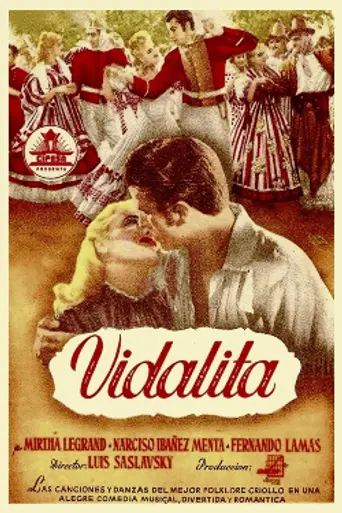
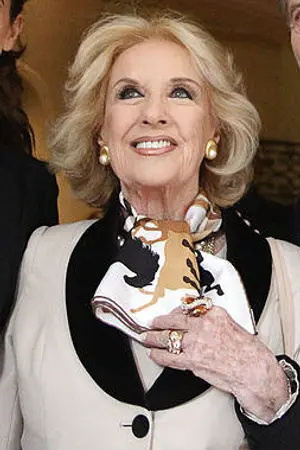
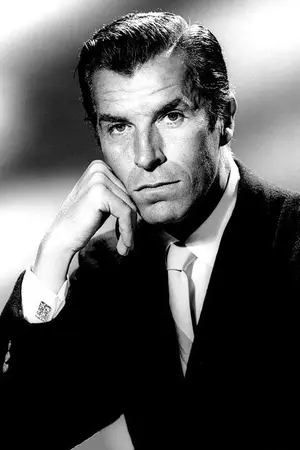
Vidalita is a 1949 Argentine historical romantic comedy film directed by Luis Saslavsky—who also wrote the story—with a screenplay by Ariel Cortazzo and dialogue by both, produced by the Emelco studio during the classical period of Argentine cinema. Set in 1830, it tells the story of a young woman who cross-dresses as a gaucho to be accepted by her grandfather, who longs for a grandson, and who in her male guise ends up making the captain of a fort fall in love with her. It stars Mirtha Legrand, Narciso Ibáñez Menta, and Fernando Lamas, for whom it was his last film in the country.
Conceived as a folkloric operetta in a mocking tone, the film was Saslavsky's only work for Emelco and the first in which he took on the criollista subject matter that the industry demanded of him, though he did so in order to parody it. With music of folkloric roots and a marked influence from the director Josef von Sternberg, Vidalita subverts the tropes of gaucho culture and hegemonic masculinity, and has been read as an inverted version of the gauchesque novel Don Segundo Sombra.
Vidalita was a box-office bomb and received poor reviews from most critics, who accused it of disrespecting national symbols. Saslavsky attributed that rejection to persecution by Peronism that, according to his account, led to his blacklisting and his subsequent relocation to Europe, though it is not clear whether that persecution actually occurred. Over time, the film was rediscovered and valued by critics as a transgressive work; its has been read as a veiled representation of male homosexuality within the limits of industrial cinema, and it has been considered a forerunner of queer cinema. In a 2022 survey of the 100 greatest films of Argentine cinema, the film ranked 51st.
Source: Wikipedia (CC BY-SA)







No comments yet — be the first.
Sign in — Sign in to leave a comment or review.